Paddle board lessons: How hitting the water helps you launch any project
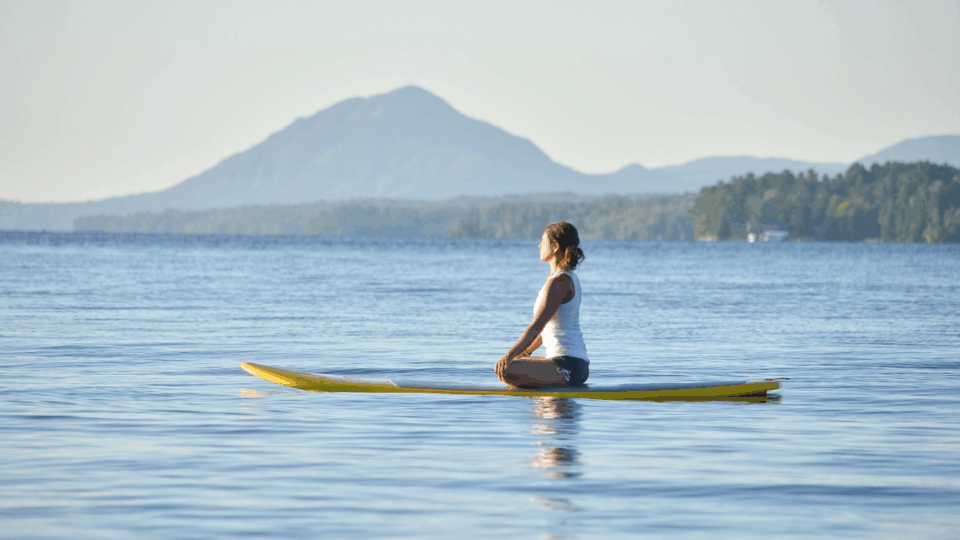
Not long ago, I set out to learn how to paddle board. From afar, it looked simple: a board, a paddle, and the water. But the first moment I stood on the board, I realized just how daunting it could be. This marked the beginning of an adventure filled with stumbles, surprises, and powerful lessons. Only later did I truly appreciate how much my time on the water taught me about launching into any new project.
Here are the lessons I took away—may they inspire you, too.
Overcoming initial fear
Stepping onto the board for the first time, I was flooded with questions: “What if I fall? What if I can’t do this?” Doubt always shows up at the start—whether you’re paddling out on water or embarking on a new project. What matters is not letting fear stop you. I took a deep breath, bent my knees, and tried anyway.
That same pattern repeats itself in any project. Fear of failure or judgment can feel paralyzing. But the simple act of beginning, even if you’re unsure, helps to quiet those worries. Remember: taking the first step is already a triumph.
Embracing the learning curve
In those first few minutes, I fell off the paddle board again and again. The water was cold, and frustration tightened my muscles. But each fall taught me something—how to adjust my stance, how to use the paddle for balance. Progress wasn’t perfect, but it was real.
Every new project follows this script. Mistakes and setbacks are part of the journey, not the end of it. Each misstep gives you insight and helps you grow. Don’t see stumbles as failure—see them as milestones on your personal map.
Equip yourself for success
On the water, your board is your foundation—just as your core values ground you in any endeavor. The paddle represents your experience, your vision, and your willingness to learn and adapt.
Like navigating rules and shifting tides, every project requires flexibility. Sometimes you’ll need to be formal or informal, delegate more or less, or shift your approach based on your team, your industry, or your environment. Choosing and using the right equipment—both literal and metaphorical—is key.
Finding balance
After several attempts, I finally managed to stand tall on the board. It felt amazing, even though I knew I could still fall. I learned to stay focused, to adjust my balance with every movement of the water, and—maybe most importantly—to keep my eyes on the horizon, not my feet.
The same balance matters in projects. You must plan carefully, but also adapt as things change. Stay mindful of your goals, but be ready to change course when needed. True balance means remaining flexible while keeping your vision steady.
Discovering your depth and speed
At first, shallow water feels safer. But real progress comes when you venture into deeper, open waters—where you’re not limited by the paths others have taken. Great work happens outside your comfort zone, when you’re willing to face new challenges alone.
Your progress—your speed—will depend on your willingness to tackle problems head-on. The deeper you go, the more you grow, and the faster your skills will develop.
Enjoying the journey
Eventually, you’ll find a rhythm—a sense of harmony between yourself and your surroundings. This satisfaction becomes contagious. When you embrace the journey, others around you feel inspired, too. Let your enthusiasm and joy motivate those you work with. Remember: achievement isn’t about suffering; it’s about paddling ahead, learning, and relishing every moment of progress.
Learning to paddle board has given me lessons I use every day—the courage to start, the patience to keep going, and the joy of celebrating each small victory. Every project, large or small, is an adventure. When you face the next wave or strong current, remember: progress begins the moment you step onto the board.